chatgpt image sep 23 2025 from tanggalin at pagandahin
<linearGradient id="sl-pl-stream-svg-grad01" linear-gradient(90deg, #ff8c59, #ffb37f 24%, #a3bf5f 49%, #7ca63a 75%, #527f32)
0%

Uncategorized

ai turns simple eeg scans into accurate dementia detectors

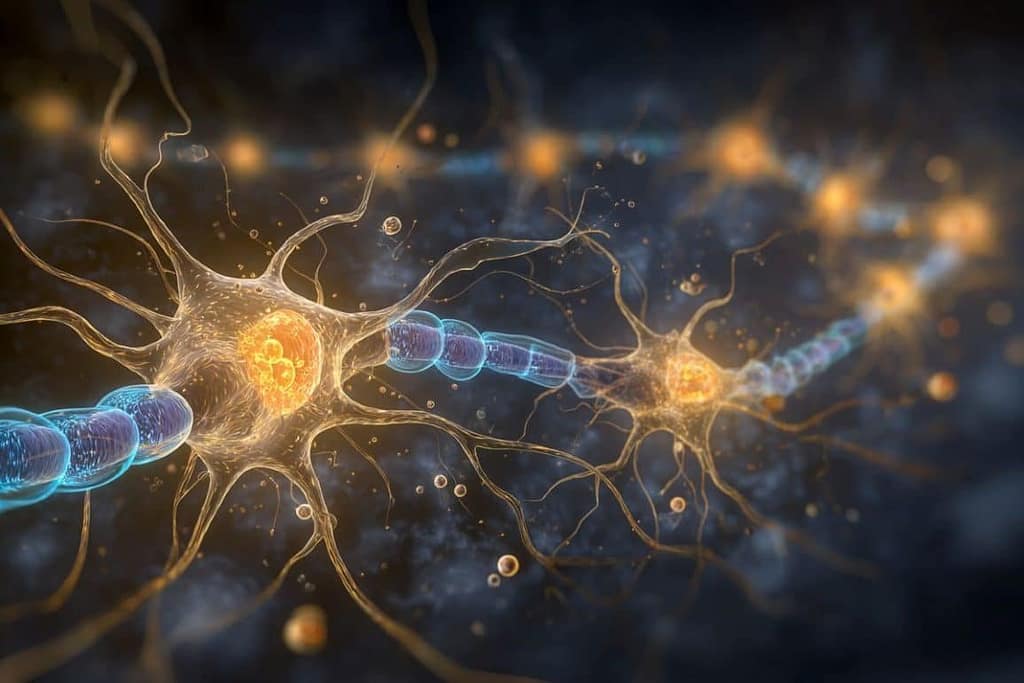
AI Turns Simple EEG Scans Into Accurate Dementia Detectors​

New research shows that deep learning can use EEG signals to distinguish Alzheimer’s disease from frontotemporal dementia with high accuracy. By analyzing both the timing and frequency of brain activity, the model uncovered distinct patterns: broader disruption across multiple regions in Alzheimer’s and more localized frontal and temporal changes in frontotemporal dementia.​ 

AI Turns Simple EEG Scans Into Accurate Dementia Detectors​ Read More »

positive imagining changes the brain in seconds

Positive Imagining Changes the Brain in Seconds​

Vividly imagining a positive interaction with someone can increase how much you like them — and even alter how your brain stores information about that person. During imagined encounters, participants developed stronger preferences, and brain scans revealed activity patterns similar to those seen when people learn from real rewarding experiences.​ 

Positive Imagining Changes the Brain in Seconds​ Read More »

how the brain interprets sarcasm, tone, and hidden meaning

How the Brain Interprets Sarcasm, Tone, and Hidden Meaning​

A large study of 800 adults shows that pragmatic language skills—the ability to understand sarcasm, indirect requests, tone, and nonliteral meaning—organize into three distinct cognitive clusters. These clusters draw on social-rule knowledge, understanding of how the physical world works, and sensitivity to speech intonation.​ 

How the Brain Interprets Sarcasm, Tone, and Hidden Meaning​ Read More »

many autism cases may be preventable

Many Autism Cases May Be Preventable​

A new study proposes that autism arises when genetic vulnerability, an early environmental trigger, and prolonged activation of the cellular stress response align during critical developmental windows. This “three-hit” metabolic model reframes autism as a disorder of disrupted cellular communication and energy metabolism rather than an inevitable genetic outcome.​ 

Many Autism Cases May Be Preventable​ Read More »

ai powered bionic hand restores natural, intuitive grasping ability

AI-Powered Bionic Hand Restores Natural, Intuitive Grasping Ability​

A new study shows that integrating artificial intelligence with advanced proximity and pressure sensors allows a commercial bionic hand to grasp objects in a natural, intuitive way—reducing cognitive effort for amputees. By training an artificial neural network on grasping postures, each finger could independently “see” objects and automatically move into the correct position, improving grip

AI-Powered Bionic Hand Restores Natural, Intuitive Grasping Ability​ Read More »

reading habits predict hidden biases toward autism

Reading Habits Predict Hidden Biases Toward Autism​

A new study shows that the newspapers people read are strong predictors of their automatic, unconscious biases toward autism—even after accounting for age, education, political views, and personal experience. Readers of right-leaning tabloid outlets showed more negative automatic biases, reflecting the more stereotyped and less frequent coverage of autism in these publications.​ 

Reading Habits Predict Hidden Biases Toward Autism​ Read More »

insufficient sleep strongly predicts shorter life expectancy

Insufficient Sleep Strongly Predicts Shorter Life Expectancy​

A new nationwide analysis shows that getting fewer than seven hours of sleep a night is one of the strongest predictors of shorter life expectancy across U.S. counties. Sleep sufficiency outperformed other behavioral factors—including diet, exercise, and loneliness—with only smoking showing a stronger association.​ 

Insufficient Sleep Strongly Predicts Shorter Life Expectancy​ Read More »

nicotine withdrawal makes smokers more sensitive to pain

Nicotine Withdrawal Makes Smokers More Sensitive to Pain​​

A new study shows that abstinent smokers experience heightened pain sensitivity linked to altered activity in specific brain regions. Compared to nonsmokers, abstinent smokers required more postoperative pain relief—especially opioids—and their pain sensitivity increased the longer they remained nicotine-free.​  Read more at Cerebratech ​ 

Nicotine Withdrawal Makes Smokers More Sensitive to Pain​​ Read More »

Scroll to Top