
chatgpt image sep 23 2025 from tanggalin at pagandahin
<linearGradient id="sl-pl-stream-svg-grad01" linear-gradient(90deg, #ff8c59, #ffb37f 24%, #a3bf5f 49%, #7ca63a 75%, #527f32)
0%

Uncategorized

young adults with obesity show early signs of brain stress

Young Adults With Obesity Show Early Signs of Brain Stress​

New research shows that young adults with obesity already display biological patterns associated with liver stress, chronic inflammation, and early neural injury—changes typically seen in older adults with cognitive impairment. Participants with obesity also had unusually low blood choline levels, a nutrient critical for liver function, inflammation control, and long-term brain health.​ 

Young Adults With Obesity Show Early Signs of Brain Stress​ Read More »

how the prefrontal cortex tunes what we see

How the Prefrontal Cortex Tunes What We See​

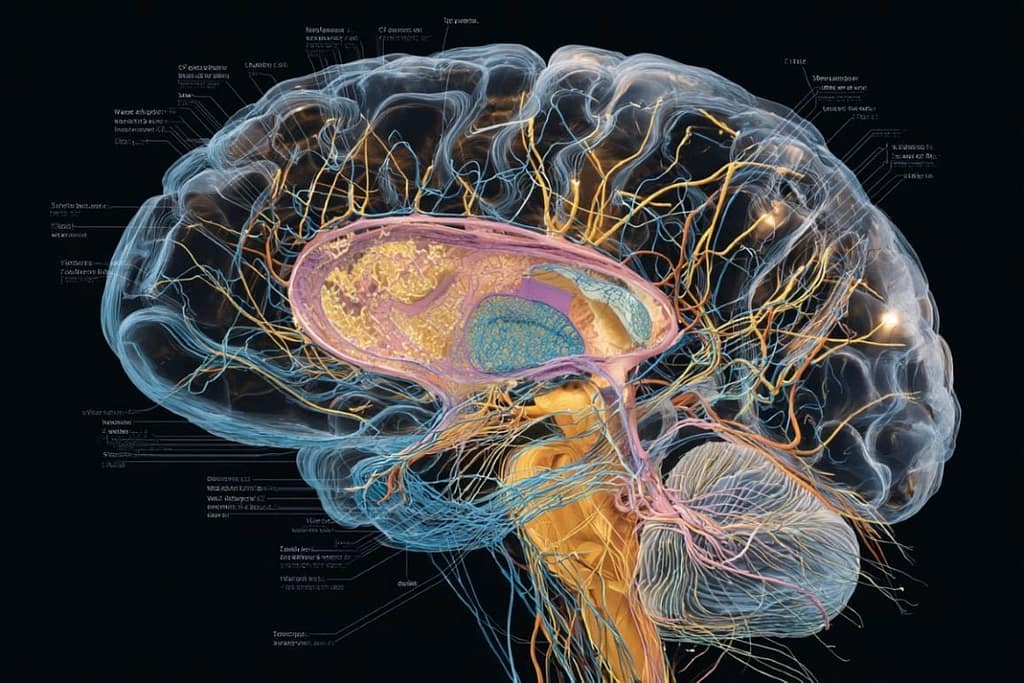
New research shows that the prefrontal cortex doesn’t simply broadcast generic commands to sensory regions—it sends finely tailored signals that shape how the brain processes vision depending on arousal and movement. In mice, two prefrontal areas transmitted distinct information to both visual and motor cortices, sharpening or dampening visual responses depending on internal state.​ 

How the Prefrontal Cortex Tunes What We See​ Read More »

untreated sleep apnea doubles parkinson’s risk

Untreated Sleep Apnea Doubles Parkinson’s Risk​

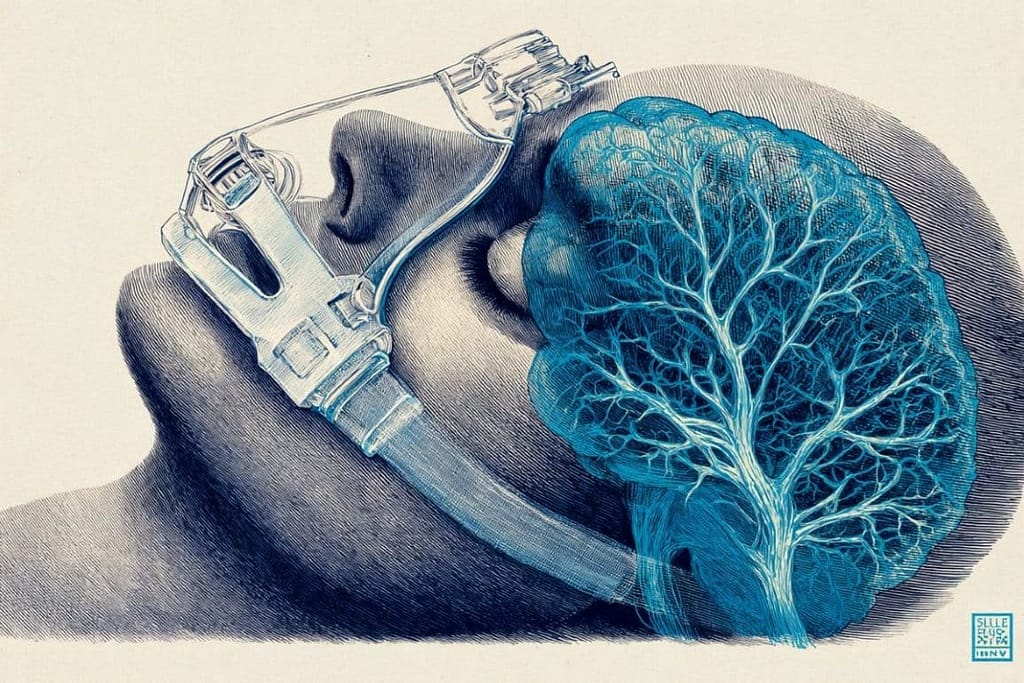
A large analysis of more than 11 million medical records found that people with untreated obstructive sleep apnea face a substantially higher risk of developing Parkinson’s disease over time. Even after accounting for factors like age, obesity, and cardiovascular conditions, those who did not use CPAP were nearly twice as likely to be diagnosed with

Untreated Sleep Apnea Doubles Parkinson’s Risk​ Read More »

genes behind dog behaviors also shape human emotions

Genes Behind Dog Behaviors Also Shape Human Emotions​

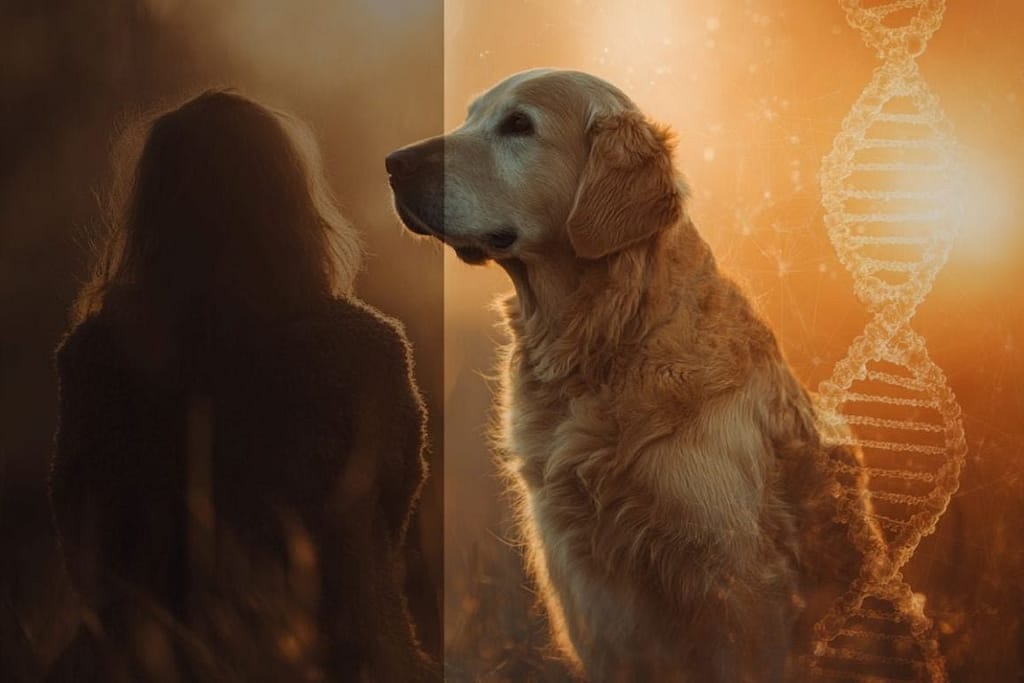
Researchers analyzed the genomes and behavioral profiles of 1,300 golden retrievers and found that several behavioral traits—such as trainability, fear of strangers, and aggression toward other dogs—are shaped by specific genetic variants. Remarkably, a dozen of these same genes also influence emotional and cognitive traits in humans, revealing shared biological roots across species.​ 

Genes Behind Dog Behaviors Also Shape Human Emotions​ Read More »

gene discovery reveals hidden risk pathway for delirium

Gene Discovery Reveals Hidden Risk Pathway for Delirium​

A massive genetic analysis of over one million people has revealed that APOE, long known for its role in Alzheimer’s disease, also independently increases a person’s risk of delirium. The researchers found that this effect cannot be explained solely by dementia, showing that APOE directly contributes to delirium vulnerability in otherwise cognitively healthy individuals.​ 

Gene Discovery Reveals Hidden Risk Pathway for Delirium​ Read More »

genetics point to a new type of suicide risk

Genetics Point to a New Type of Suicide Risk​

New research shows that many people who die by suicide without prior suicidal thoughts or behaviors are not simply “missed cases”—they may have an entirely different underlying risk profile. Genetic analyses of more than 2,700 deaths revealed that these individuals carry fewer genetic risk factors for major psychiatric conditions compared to those with known suicidality.​ 

Genetics Point to a New Type of Suicide Risk​ Read More »

ai reveals lions don’t just roar, they have a second call

AI Reveals Lions Don’t Just Roar, They Have a Second Call​​

A new study reveals African lions produce two types of roars, overturning long-held assumptions and opening the door to more precise wildlife monitoring. Using machine learning, researchers automatically distinguished between full-throated and newly identified intermediary roars with over 95% accuracy, eliminating much of the human bias in vocal identification.​  Read more at Cerebratech ​ 

AI Reveals Lions Don’t Just Roar, They Have a Second Call​​ Read More »

ai reveals lions don’t just roar, they have a second call

AI Reveals Lions Don’t Just Roar, They Have a Second Call​​​

A new study reveals African lions produce two types of roars, overturning long-held assumptions and opening the door to more precise wildlife monitoring. Using machine learning, researchers automatically distinguished between full-throated and newly identified intermediary roars with over 95% accuracy, eliminating much of the human bias in vocal identification.​  Read more at Cerebratech ​  Read

AI Reveals Lions Don’t Just Roar, They Have a Second Call​​​ Read More »

Scroll to Top