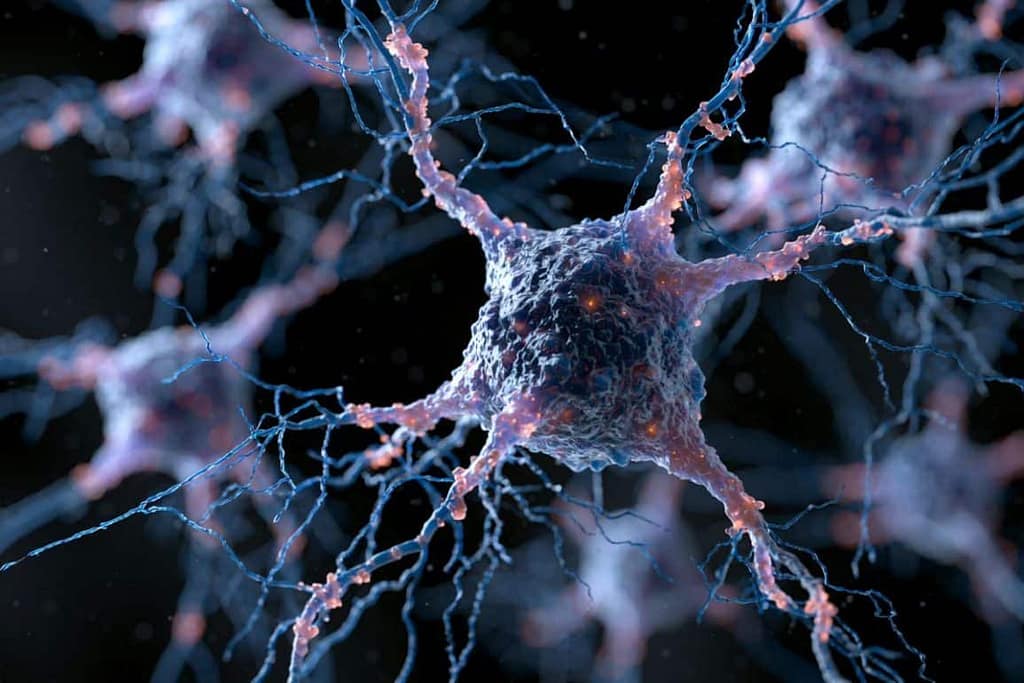
3D Genome Disruption in Alzheimer’s Disease
A new study shows that 3D genome architecture is altered in prefrontal cortex cells of individuals with Alzheimer’s disease.
3D Genome Disruption in Alzheimer’s Disease Read More »
A new study shows that 3D genome architecture is altered in prefrontal cortex cells of individuals with Alzheimer’s disease.
3D Genome Disruption in Alzheimer’s Disease Read More »
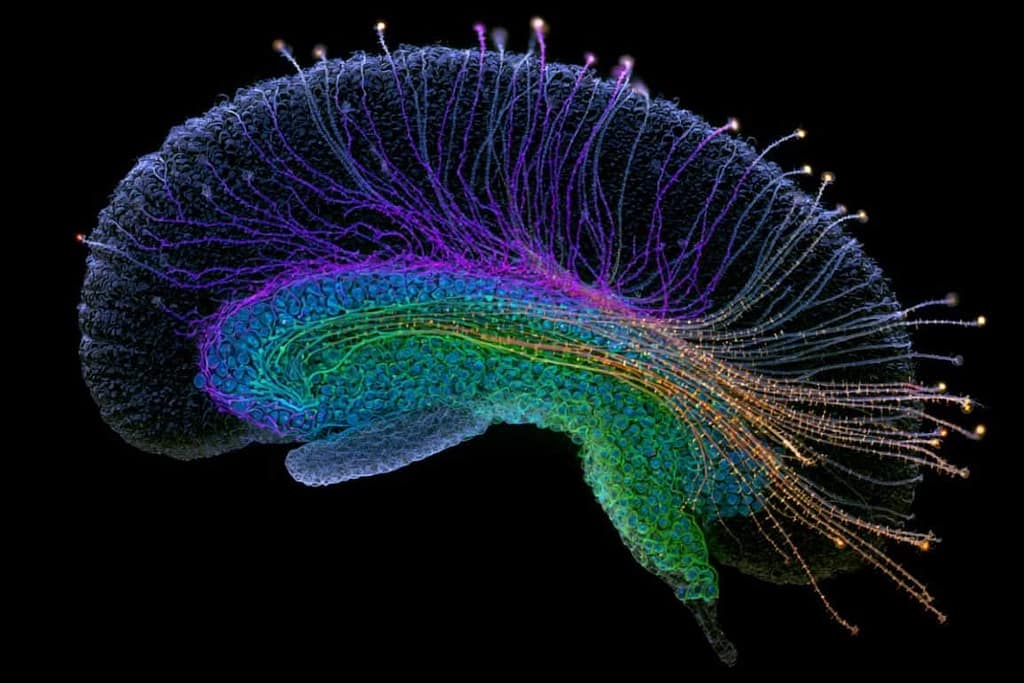
A new study reveals that the human brain undergoes major shifts in 3D genome architecture and gene regulation starting in midlife.
How Midlife Systems Remodeling Reshapes the Human Hippocampus Read More »

A new study reveals that fruit flies use spatial memory, rather than simple reflexes, to track odors.
Fruit Flies Use Memory to Track Smells Read More »
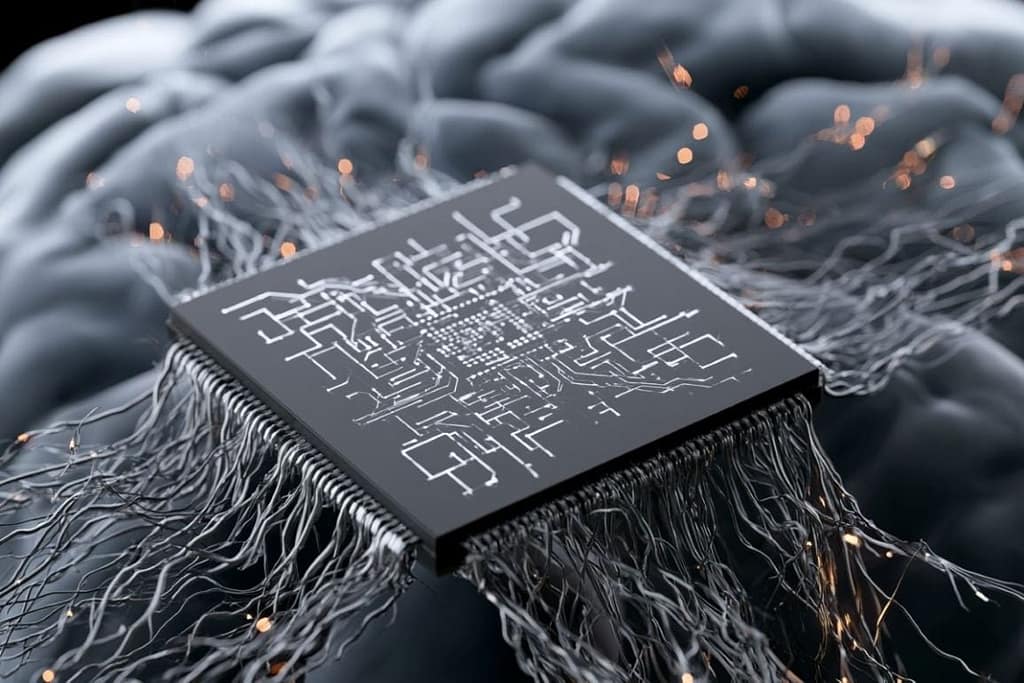
A new study presents the world’s first neuromorphic chip capable of matching the operational speed of the human brain.
New Chip Matches Real-Time Human Brain Speed Read More »
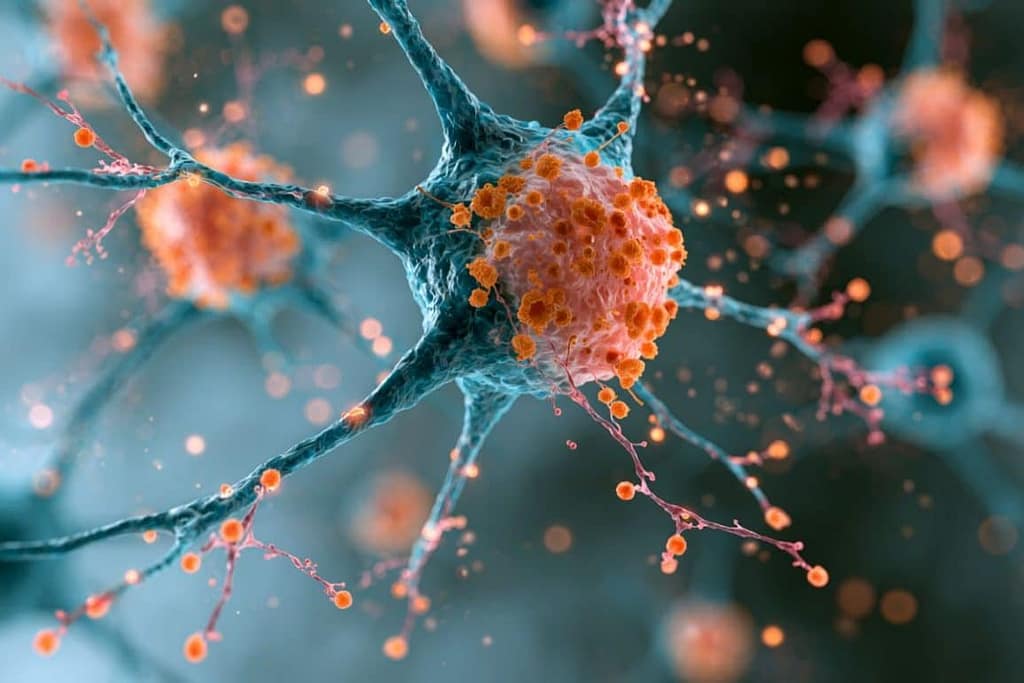
B-cell depletion therapies in multiple sclerosis (MS) work in part by mobilizing protective B cells from the gut.
B-Cell Depletion Recruits Protective Gut Cells in MS Read More »

Hummingbird hawkmoths (Macroglossum stellatarum) exhibit an innate “handedness” when extending their proboscis to forage on flowers.
Moths Pair Dominant Eyes with Proboscis to Save Brain Power Read More »
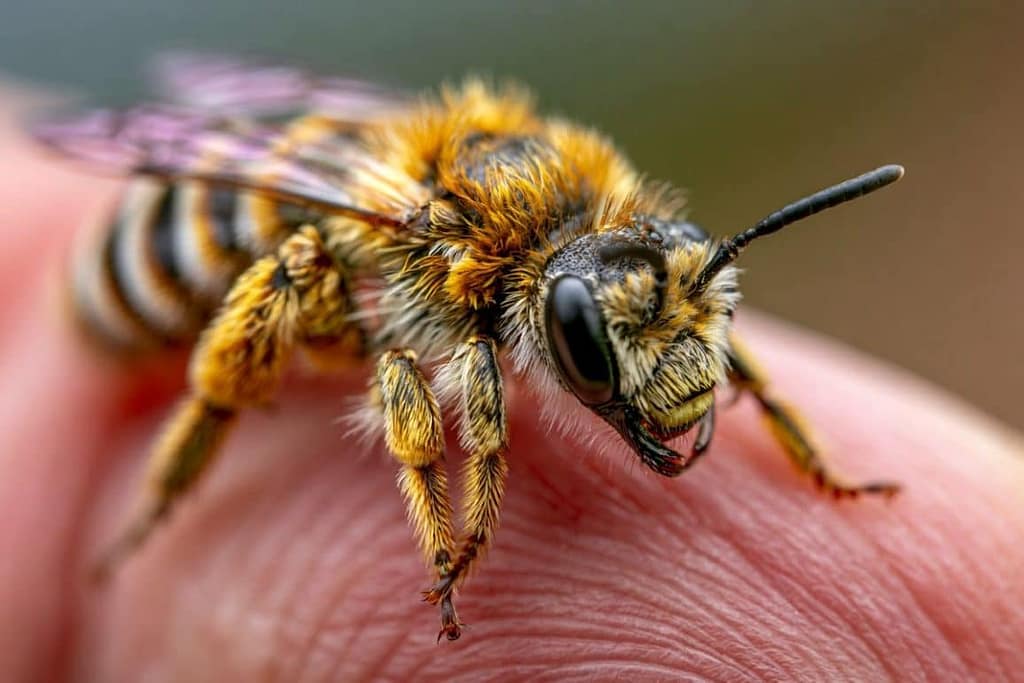
A new study demonstrates that combining bee venom with standard L-DOPA/carbidopa therapy improves motor and cognitive outcomes in a mouse model of Parkinson’s disease.
Combining Bee Venom and L-DOPA to Treat Parkinson’s Disease Read More »

Researchers developed a biomimetic taste sensor combining 3D taste bud organoids with custom 200 mu-tall 3D microelectrode arrays.
Why Food Tastes Different After Coffee Read More »
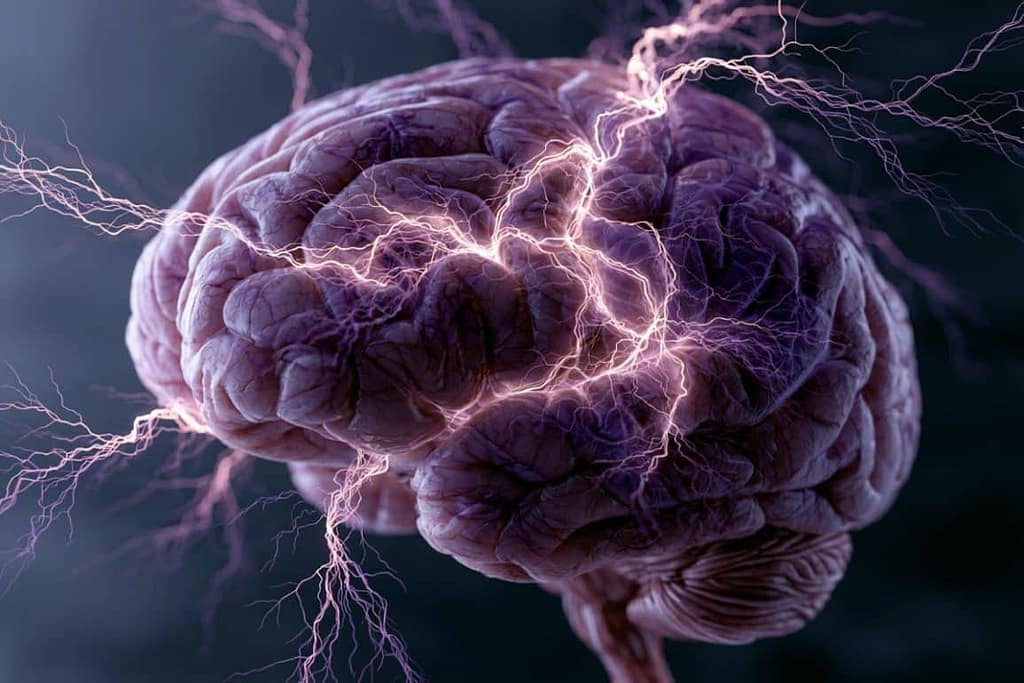
Researchers developed a high-resolution, adaptive light-sheet microscopy system capable of capturing 3D seizure propagation in live larval zebrafish brains in real time.
Adaptive Light-Sheet Microscope Captures Live 3D Brain Seizures Read More »

A new study proposes that digital media usage alters human focus through a mechanism called “effort recalibration.”
Digital Media Alters Cognitive Willingness Read More »