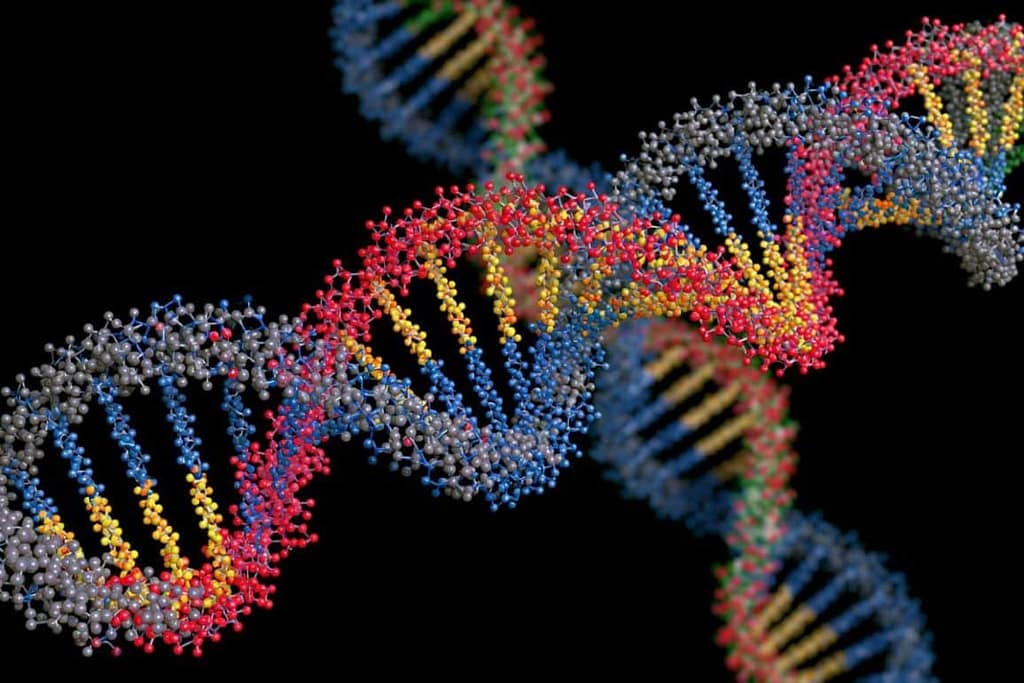
AI Model Predicts Complex DNA Binding
A new study introduces BINND, a deep learning model designed to predict complex, non-complementary DNA-DNA binding interactions.
AI Model Predicts Complex DNA Binding Read More »
A new study introduces BINND, a deep learning model designed to predict complex, non-complementary DNA-DNA binding interactions.
AI Model Predicts Complex DNA Binding Read More »

A new study reveals that evening chronotypes (night owls) experience significantly higher body fat percentages, visceral adiposity, elevated blood glucose, and poorer lipid profiles compared to morning types.
Late-Night Snacking Triggers Metabolic Disease in Night Owls Read More »

A new study reveals that childhood amygdala reactivity to emotional faces isolates future social health profiles two years later.
The Amygdala Predicts Teen Isolation Years in Advance Read More »

A new study demonstrates that a specialized oral THC/CBD medical oil formulation significantly and rapidly reduces end-of-life agitation in late-stage dementia patients.
Purified THC/CBD Oil Dramatically Lowers Dementia Agitation Read More »
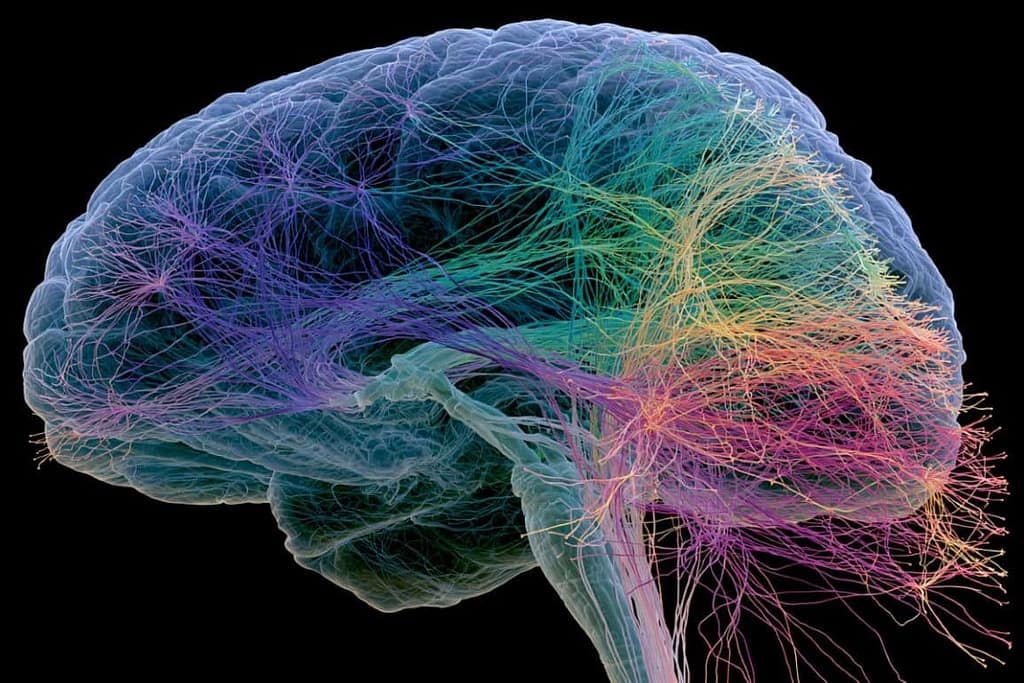
A new study combines rodent circuitry mapping with ultra-high-field 7T human fMRI to investigate periaqueductal gray (PAG) regulation.
Study Maps Brain Stem Networks to Help Patients Regulate PTSD Read More »

A new study demonstrates that rising testosterone levels are a primary predictor of anxiety and depression symptoms in preteens aged 10 to 12.
Testosterone Drives Early Pubertal Distress in Girls Read More »

Researchers launched three open-source AI tools, AI Literature and Data Synthesis, Dark Data Analyzer, and Reviewer Three, to combat the 99% failure rate of Alzheimer’s clinical trials.
Open-Source AI Tools for Alzheimer’s Read More »

Infants utilize evolutionarily conserved spatial cues to differentiate target voices from background noise.
Infants Use Spatial Cues to Hear Voices in Noisy Environments Read More »

A new study demonstrates that early-onset dementia is associated with severe work productivity losses up to 15 years before a formal diagnosis. Read more at Cerebratech
Decreasing Productivity Can Precede a Dementia Diagnosis by Years Read More »
A new study demonstrates that early-onset dementia is associated with severe work productivity losses up to 15 years before a formal diagnosis.
Decreasing Productivity Can Precede a Dementia Diagnosis by Years Read More »