
chatgpt image sep 23 2025 from tanggalin at pagandahin
<linearGradient id="sl-pl-stream-svg-grad01" linear-gradient(90deg, #ff8c59, #ffb37f 24%, #a3bf5f 49%, #7ca63a 75%, #527f32)
0%

Uncategorized

maternal high fructose diets epigenetically scar fetal brain cells

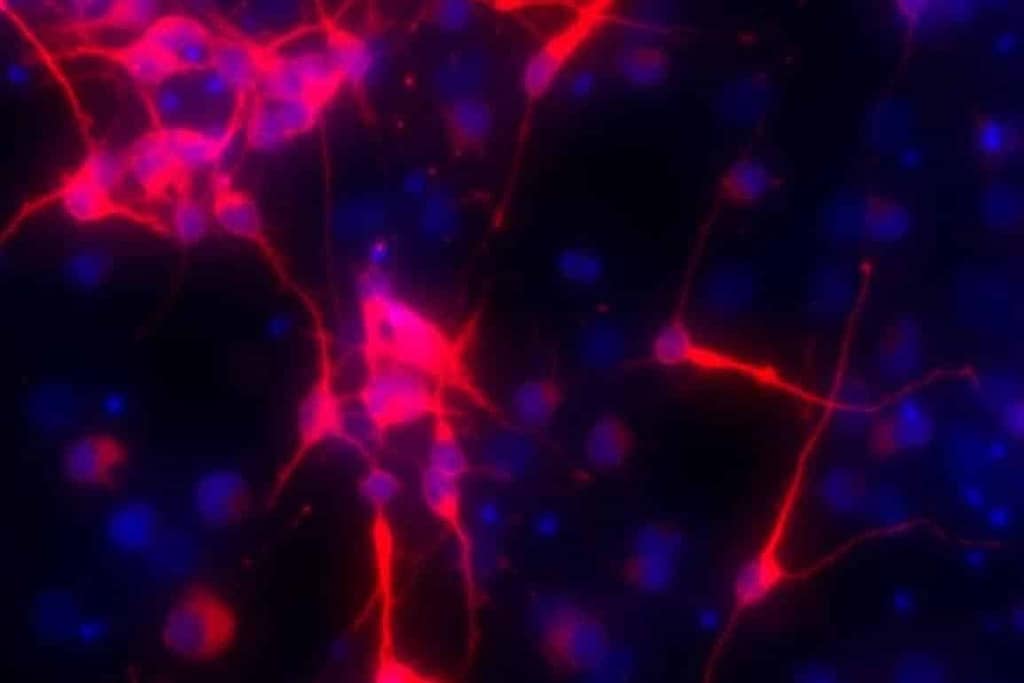
Maternal High-Fructose Diets Epigenetically Scar Fetal Brain Cells​

A maternal diet high in fructose corn syrup programs permanent learning and memory deficits in adult offspring. The mechanism is driven by lasting epigenetic imprints on fetal neural stem cells that silence neurogenesis genes into adulthood, establishing a direct “biological memory” of prenatal maternal nutrition.​ 

Maternal High-Fructose Diets Epigenetically Scar Fetal Brain Cells​ Read More »

how 21st century screens hijack brain circuitry

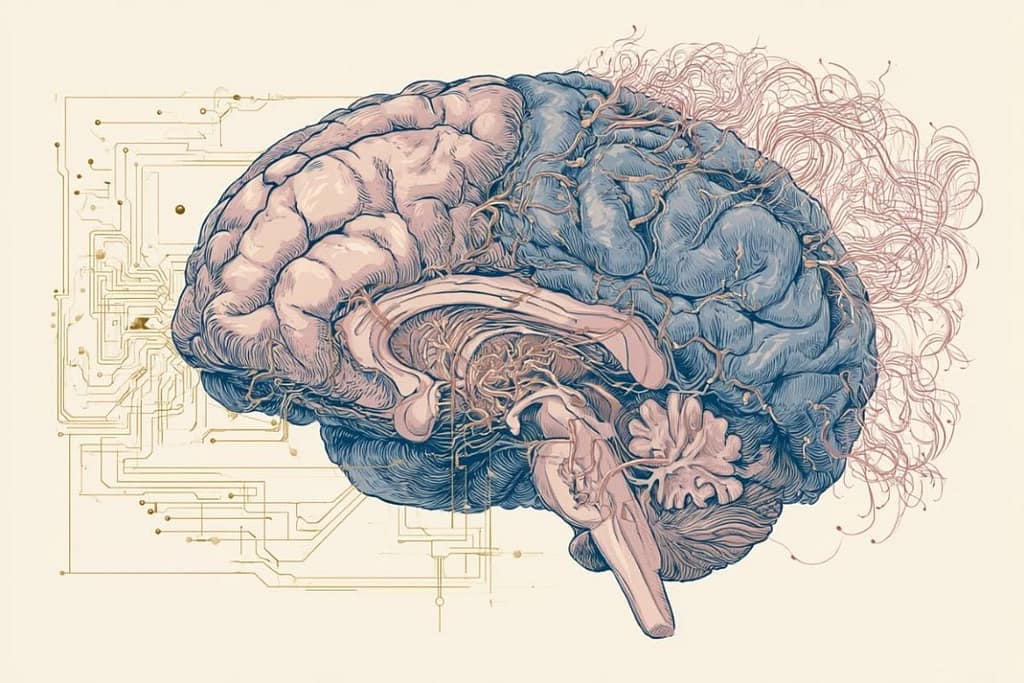
How 21st-Century Screens Hijack Brain Circuitry​

Modern psychosocial crises, including chronic stress, competition, and loneliness, are driven by an evolutionary mismatch between our primitive, small-group neural wiring and the high-density, screen-mediated parameters of contemporary life, calling for structural urban and digital design interventions rather than relying solely on individual coping mechanisms.​ 

How 21st-Century Screens Hijack Brain Circuitry​ Read More »

study supports and expands the primate brain lag hypothesis

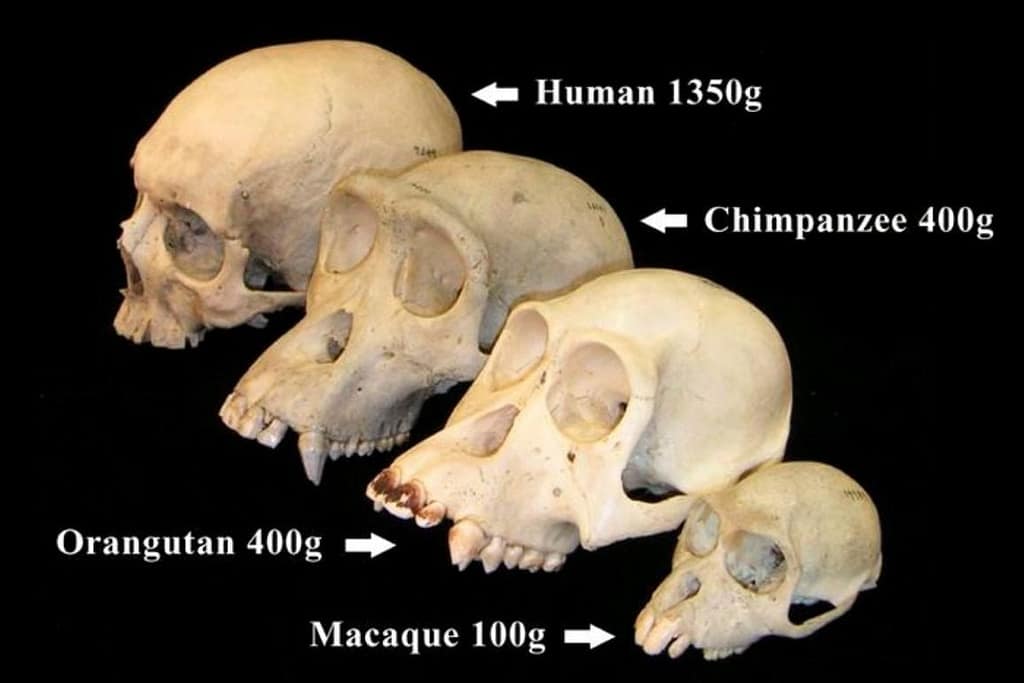
Study Supports and Expands the Primate Brain Lag Hypothesis​

A new study utilizes molecular genetic timelines to validate the “brain lag” hypothesis, proving that primate body growth preceded brain expansion. The analysis expands the theory by demonstrating that hominin brains eventually overshot their expected biological baseline, driven by the intense cognitive demands of forming large social groups to survive predators.​ 

Study Supports and Expands the Primate Brain Lag Hypothesis​ Read More »

slow maternal response time linked to adhd in kids

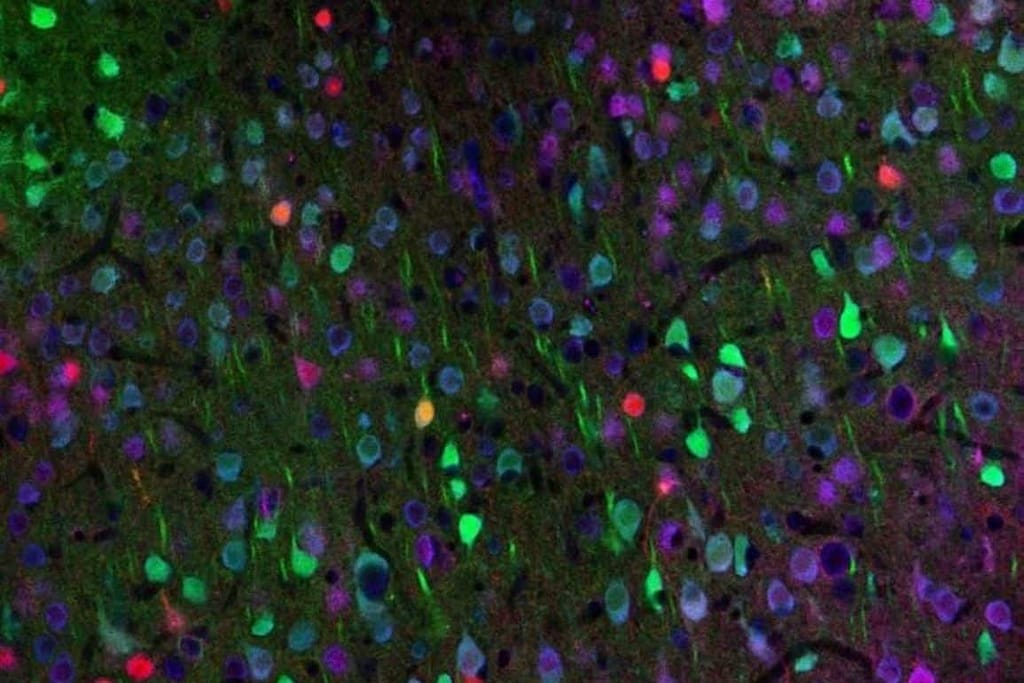
Slow Maternal Response Time Linked to ADHD in Kids​

Slower maternal vocal response times to 12-month-old infants predict an increased risk of ADHD and disruptive behavior disorders by age 7. For every 10% increase in the probability of a maternal response within one second, the child’s odds of receiving a psychiatric diagnosis dropped by 17%, highlighting real-time communication tracking as a powerful, non-invasive indicator

Slow Maternal Response Time Linked to ADHD in Kids​ Read More »

Scroll to Top