chatgpt image sep 23 2025 from tanggalin at pagandahin
<linearGradient id="sl-pl-stream-svg-grad01" linear-gradient(90deg, #ff8c59, #ffb37f 24%, #a3bf5f 49%, #7ca63a 75%, #527f32)
0%

Uncategorized

consciousness may require a new kind of computation

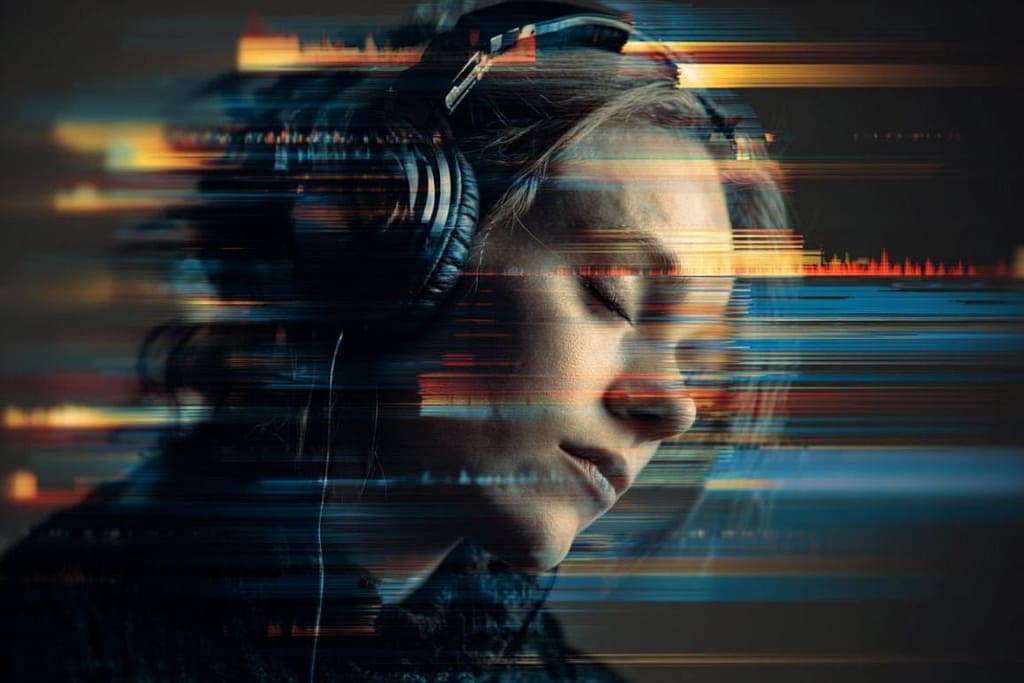
Consciousness May Require a New Kind of Computation​​

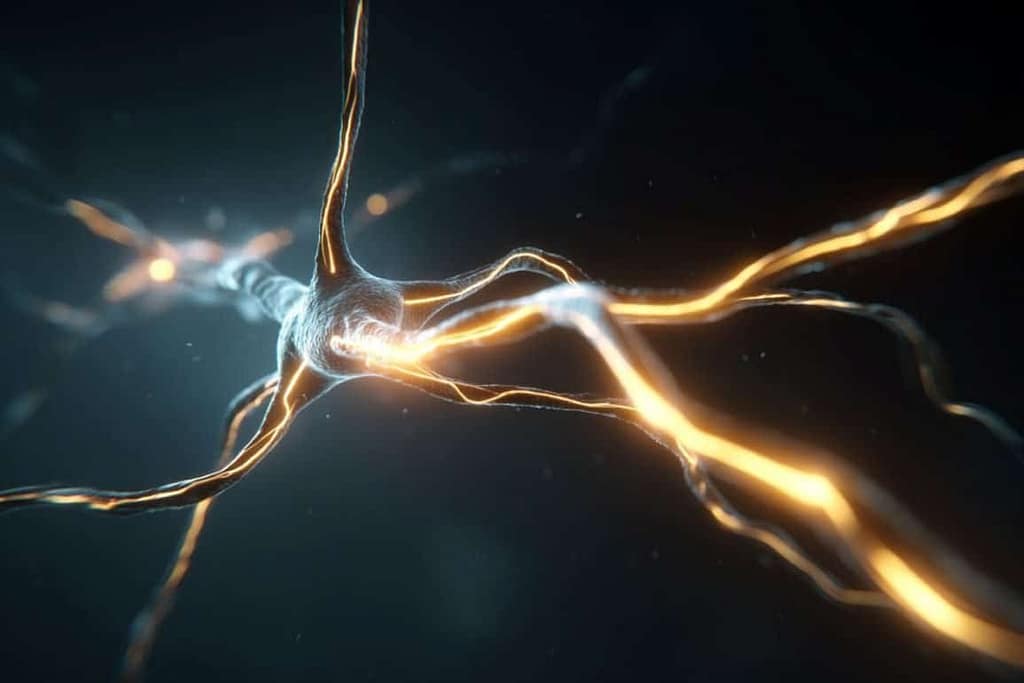
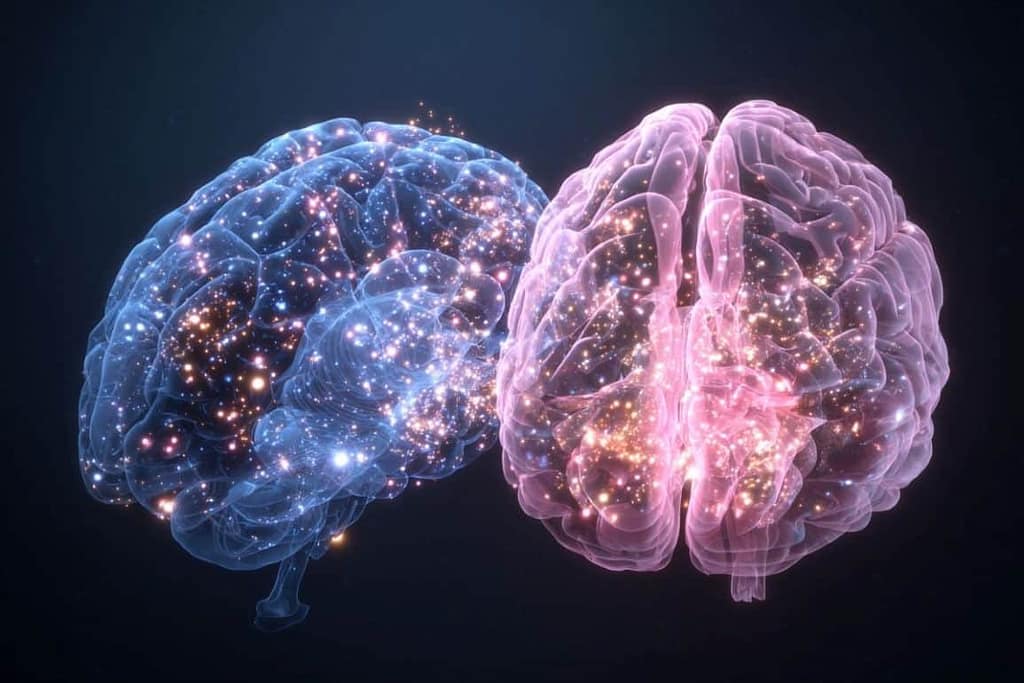
A new theoretical framework argues that the long-standing split between computational functionalism and biological naturalism misses how real brains actually compute. The authors propose “biological computationalism,” the idea that neural computation is inseparable from the brain’s physical, hybrid, and energy-constrained dynamics rather than an abstract algorithm running on hardware. In this view, discrete neural events […]

Consciousness May Require a New Kind of Computation​​ Read More »

consciousness may require a new kind of computation

Consciousness May Require a New Kind of Computation​​​

A new theoretical framework argues that the long-standing split between computational functionalism and biological naturalism misses how real brains actually compute. The authors propose “biological computationalism,” the idea that neural computation is inseparable from the brain’s physical, hybrid, and energy-constrained dynamics rather than an abstract algorithm running on hardware. In this view, discrete neural events

Consciousness May Require a New Kind of Computation​​​ Read More »

consciousness may require a new kind of computation

Consciousness May Require a New Kind of Computation​​​​

A new theoretical framework argues that the long-standing split between computational functionalism and biological naturalism misses how real brains actually compute. The authors propose “biological computationalism,” the idea that neural computation is inseparable from the brain’s physical, hybrid, and energy-constrained dynamics rather than an abstract algorithm running on hardware. In this view, discrete neural events

Consciousness May Require a New Kind of Computation​​​​ Read More »

cues can hijack decision making in some people

Cues Can Hijack Decision Making in Some People​​

Some individuals rely heavily on visual and sound cues when making decisions, and this sensitivity can lead to persistent maladaptive choices. When cue–outcome associations shift, these individuals struggle to update their beliefs, continuing to follow outdated signals even when doing so becomes risky.​  Read more at Cerebratech ​ 

Cues Can Hijack Decision Making in Some People​​ Read More »

cues can hijack decision making in some people

Cues Can Hijack Decision Making in Some People​​​

Some individuals rely heavily on visual and sound cues when making decisions, and this sensitivity can lead to persistent maladaptive choices. When cue–outcome associations shift, these individuals struggle to update their beliefs, continuing to follow outdated signals even when doing so becomes risky.​  Read more at Cerebratech ​  Read more at Cerebratech ​ 

Cues Can Hijack Decision Making in Some People​​​ Read More »

smiling faces trigger mimicry, and make us trust them more

Smiling Faces Trigger Mimicry, and Make Us Trust Them More​

People instinctively mimic others’ facial expressions, but new research shows we do this far more with joyful faces than with sadness or anger—and that the intensity of mimicry predicts how much we trust someone. Across three experiments using EMG and behavioral tasks, participants copied smiles more readily and rated smiling individuals as more attractive, confident,

Smiling Faces Trigger Mimicry, and Make Us Trust Them More​ Read More »

smiling faces trigger mimicry, and make us trust them more

Smiling Faces Trigger Mimicry, and Make Us Trust Them More​​

People instinctively mimic others’ facial expressions, but new research shows we do this far more with joyful faces than with sadness or anger—and that the intensity of mimicry predicts how much we trust someone. Across three experiments using EMG and behavioral tasks, participants copied smiles more readily and rated smiling individuals as more attractive, confident,

Smiling Faces Trigger Mimicry, and Make Us Trust Them More​​ Read More »

guilt and shame shape behavior through separate brain pathways

Guilt and Shame Shape Behavior Through Separate Brain Pathways​

uilt and shame arise from different cognitive triggers and rely on distinct neural systems to guide compensatory behavior. Using a controlled game that manipulated both harm and responsibility, researchers showed that guilt is more strongly driven by the severity of harm caused, while shame is more strongly shaped by how responsible someone feels for that

Guilt and Shame Shape Behavior Through Separate Brain Pathways​ Read More »

guilt and shame shape behavior through separate brain pathways

Guilt and Shame Shape Behavior Through Separate Brain Pathways​​

uilt and shame arise from different cognitive triggers and rely on distinct neural systems to guide compensatory behavior. Using a controlled game that manipulated both harm and responsibility, researchers showed that guilt is more strongly driven by the severity of harm caused, while shame is more strongly shaped by how responsible someone feels for that

Guilt and Shame Shape Behavior Through Separate Brain Pathways​​ Read More »

Scroll to Top