
Octopuses Can Use Mirrors to Find Food
Octopuses can utilize mirrors to navigate and locate objects outside their direct line of sight.
Octopuses Can Use Mirrors to Find Food Read More »
Octopuses can utilize mirrors to navigate and locate objects outside their direct line of sight.
Octopuses Can Use Mirrors to Find Food Read More »

A new study rejects the traditional “sandwich model” which defines decision-making as a discrete cognitive step between perception and action.
Why the Brain Doesn’t Need Choices to Generate Intent Read More »

Can reading a book on a tablet alter how your brain maps a story line? A new study reveals that reading on paper allows the brain to organize narrative information with less effort than digital screens.
Brain Integrates Paper Book Narratives Faster Than Digital Read More »
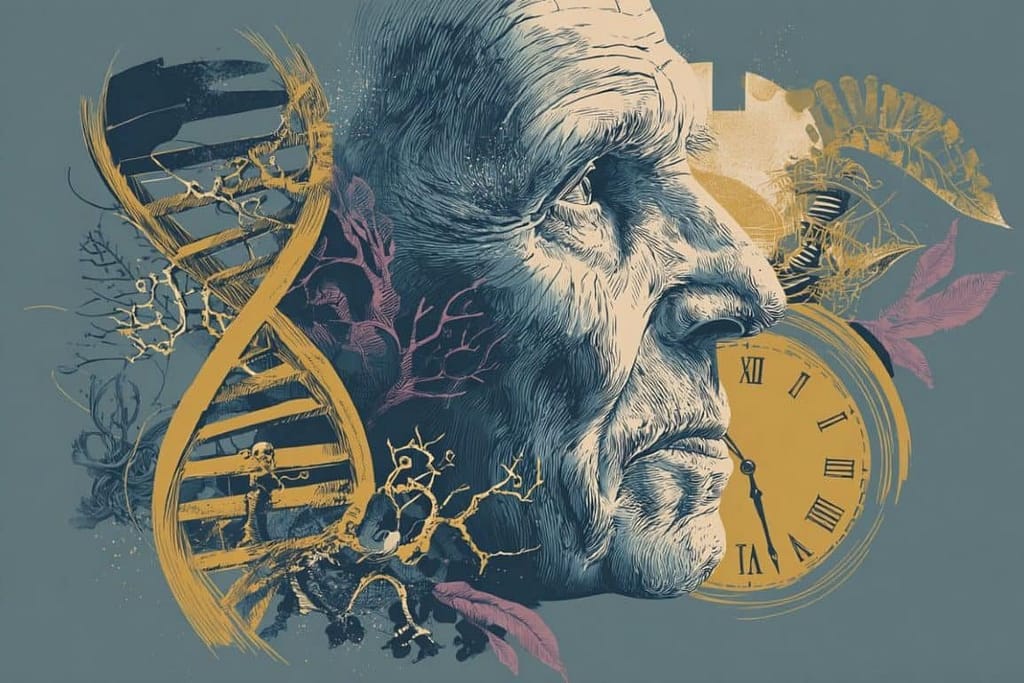
A new study solves the mystery of developmental timing by discovering a non-repeating biological clock that controls cellular maturation.
Non-Repeating Genomic Master Clock Identified Read More »

Researchers create a continuous monitoring platform engineered to protect brain-injury patients from severe drainage infections.
NeuroSense Device Tracks Brain Fluid to Detect Infections Read More »

Adults who feel older than their chronological age report significantly worse sleep outcomes, including elevated insomnia symptoms, lower sleep regularity, and greater sleep-related daytime impairment.
Feeling Older Than Your Age Triggers Insomnia Read More »
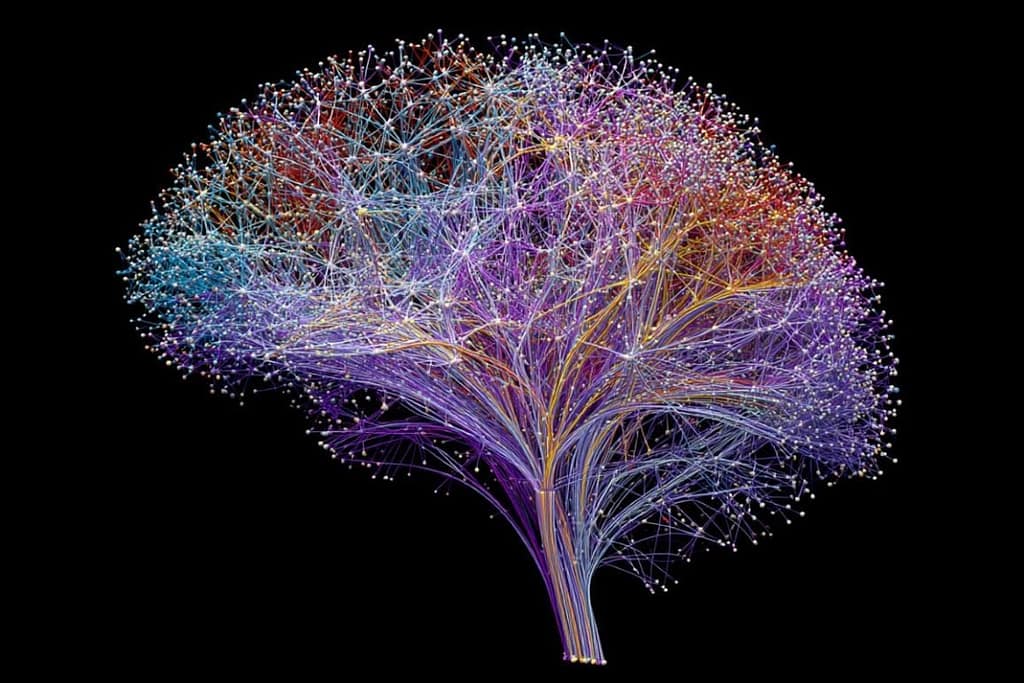
The global framework validates the “last in, first out” theory of brain aging while revealing that individuals sharing the same clinical diagnosis exhibit completely unique microstructural deviations.
Charting 54,583 Connectomes to Detect Brain Disease Read More »

Can an advanced artificial intelligence truly exercise decision-making control, or is it merely trapped in an inescapable loop of automatic pattern mimicry? A cognitive science study utilizes the classic psychological “Stroop task” to expose a fundamental limitation in large language model (LLM) attention mechanisms.
Stroop Test Exposes Inherent LLM Flaw Read More »

A new audiology study investigates “The Hum”, an elusive, low-frequency buzzing sound reported in densely populated cities worldwide since the mid-1970s.
People Who Hear “The Hum” Are Facing Low-Frequency Tinnitus Read More »
A new neuroscience study leverages a 1,200-participant trial and cultural computer modeling to prove that “semantic knowledge” is the absolute baseline requirement for human innovation.
Semantic Knowledge Is Key to Human Innovation Read More »