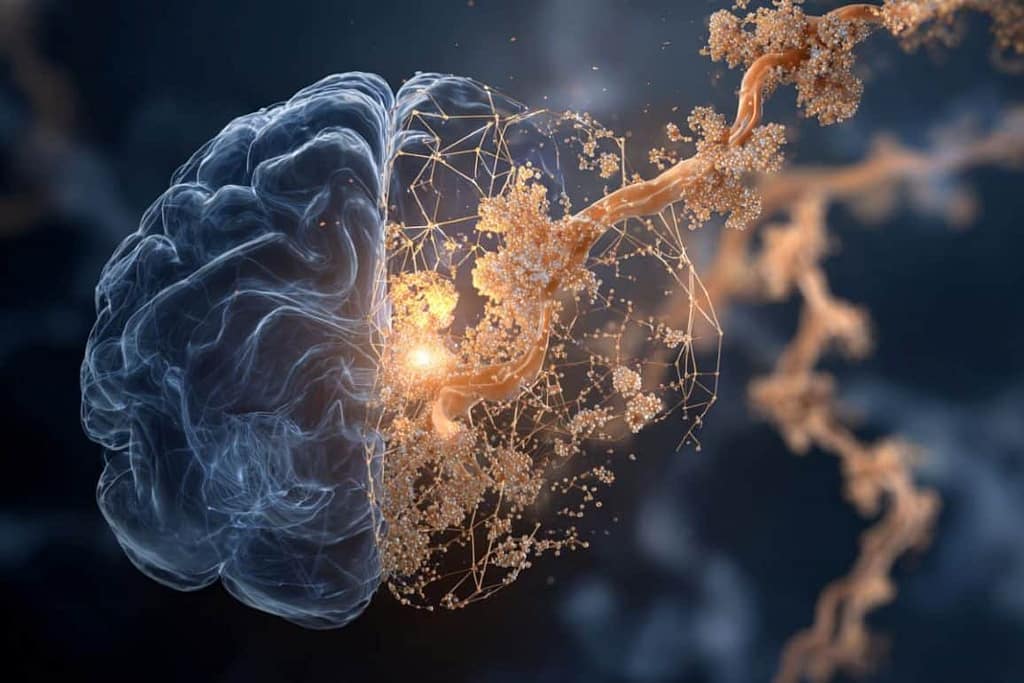
How Type 1 Diabetes Impacts Dementia Risk
People with Type 1 diabetes are 3 times more likely to develop dementia than those without—a risk factor significantly higher than Type 2 diabetes.
How Type 1 Diabetes Impacts Dementia Risk Read More »
People with Type 1 diabetes are 3 times more likely to develop dementia than those without—a risk factor significantly higher than Type 2 diabetes.
How Type 1 Diabetes Impacts Dementia Risk Read More »
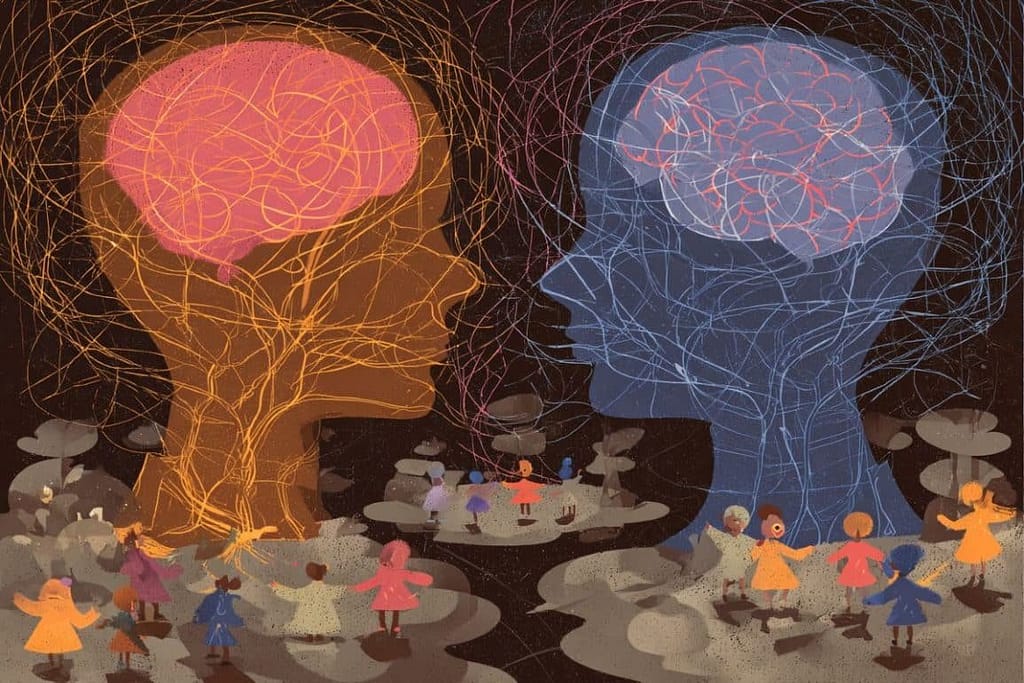
Scientists have mapped the brain regions that allow social groups to act as a unified system, compensating for struggling members to ensure everyone survives.
How Brains Sync for Group Survival Read More »

More than just a reward. New research reveals that dopamine acts as a biological GPS, sending real-time “guidance signals” to the brain to ensure you stay on the right path.
Dopamine GPS: Visual Guidance Beyond Reward Read More »
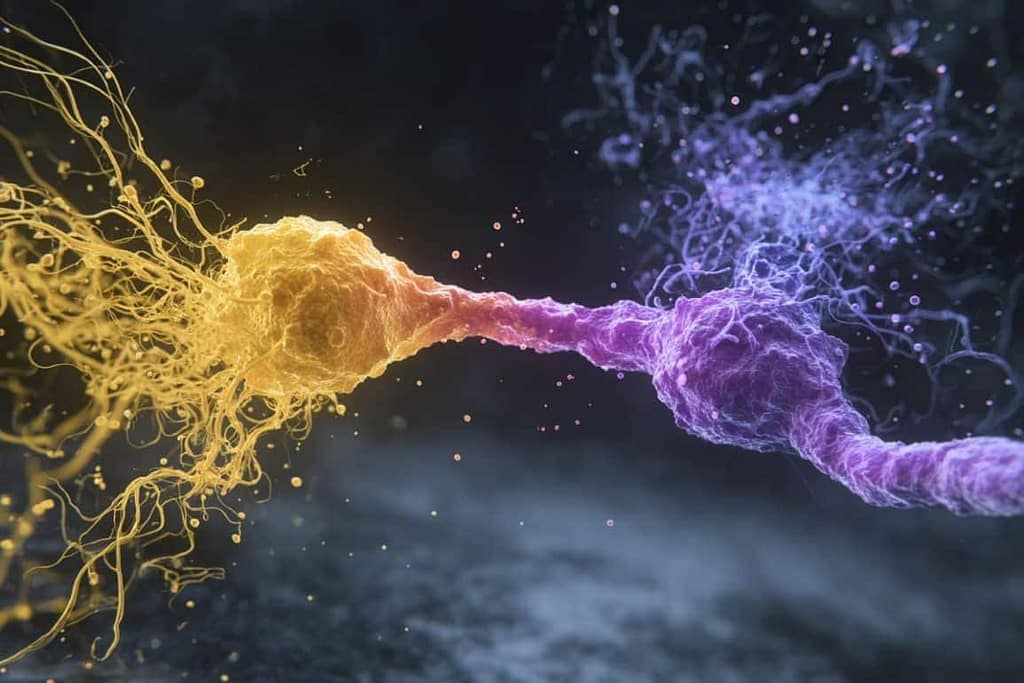
New research reveals that a single pair of neurons in the fruit fly brain weighs the risk of poison against the reward of sugar to make life-or-death decisions.
How a Single Neuron Decides “Eat or Die” Read More »

New research reveals that the hippocampus acts as a control center for chronic pain, and a specific “inflammatory switch” determines who develops depression.
Why Chronic Pain Leads to Depression Read More »
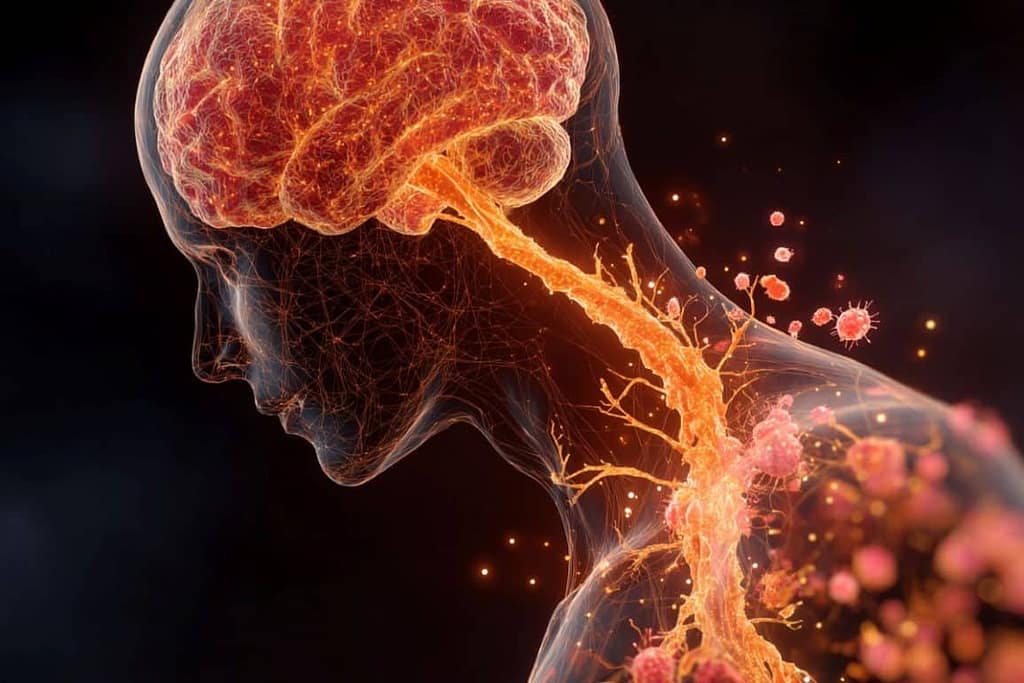
The mind-skin connection mapped. Scientists have discovered the specific nerve cells that turn psychological stress into physical skin inflammation, offering a new target for eczema treatment.
Stress-Skin Axis: How the Brain Triggers Eczema Flares Read More »

New research highlights a critical “window of vulnerability” in the developing brain. While cannabis use disorder significantly spikes the risk of schizophrenia and depression in teenagers, the trend remarkably reverses in adults, suggesting that heavy use may uniquely disrupt adolescent neural maturation.
Teenage Cannabis Use Linked to 52% Higher Schizophrenia Risk Read More »
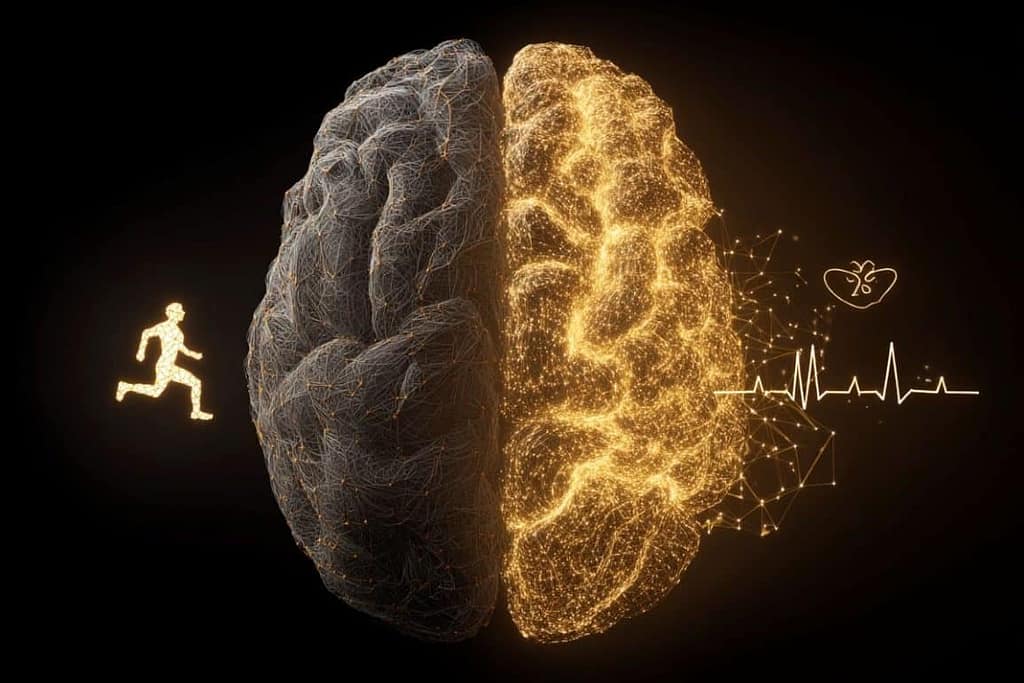
A new study reveals that 150–390 minutes of weekly exercise can rewire the neural pathways of individuals who experienced childhood adversity.
Physical Activity Rewires the Traumatized Brain Read More »
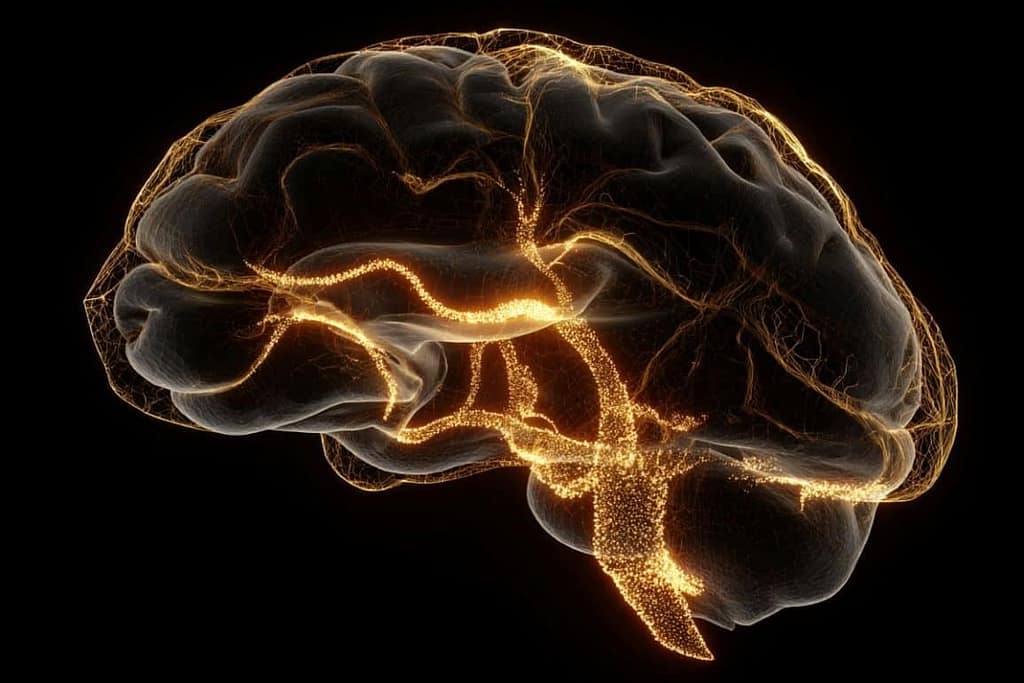
Scientists identify the genetic mutation that stops the brain from updating its version of reality, offering a new target for schizophrenia treatment.
Gene Linking Schizophrenia to Decision-Making Found Read More »
Researchers identify that 20% of U.S. children with special health needs are missing out on the protective “Positive Childhood Experiences” vital for adult health.
Positive Childhood Experiences and Special Health Care Needs Read More »