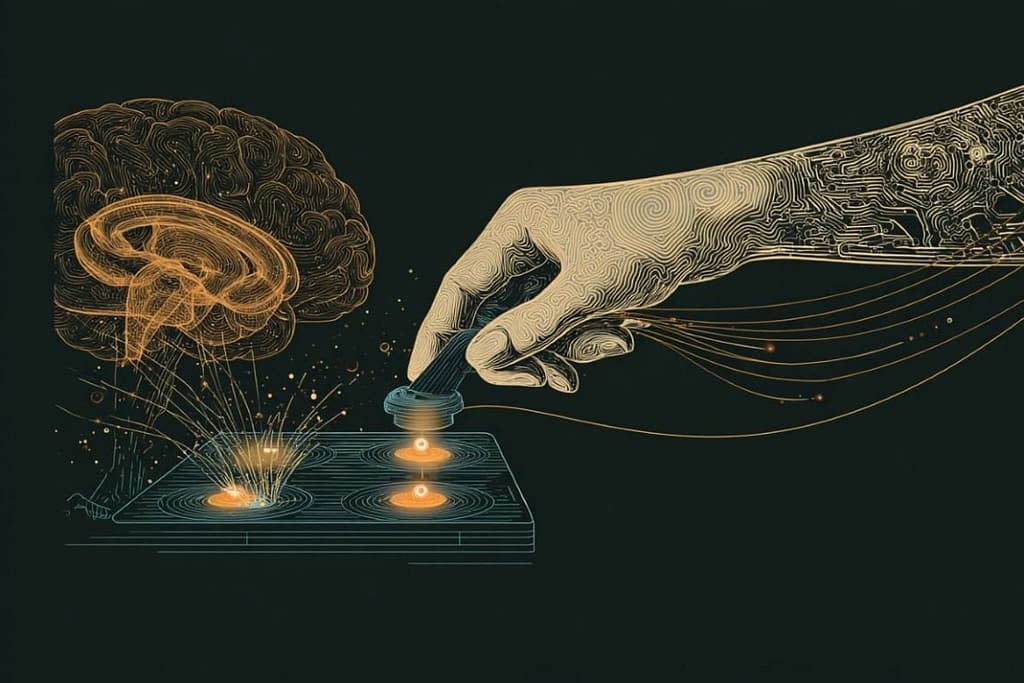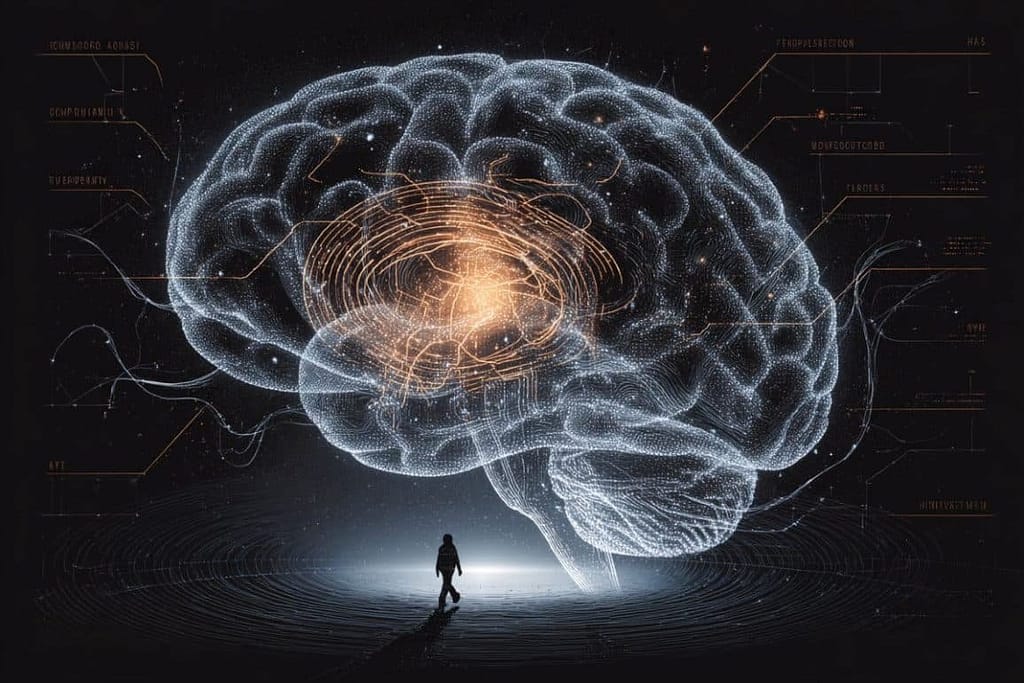
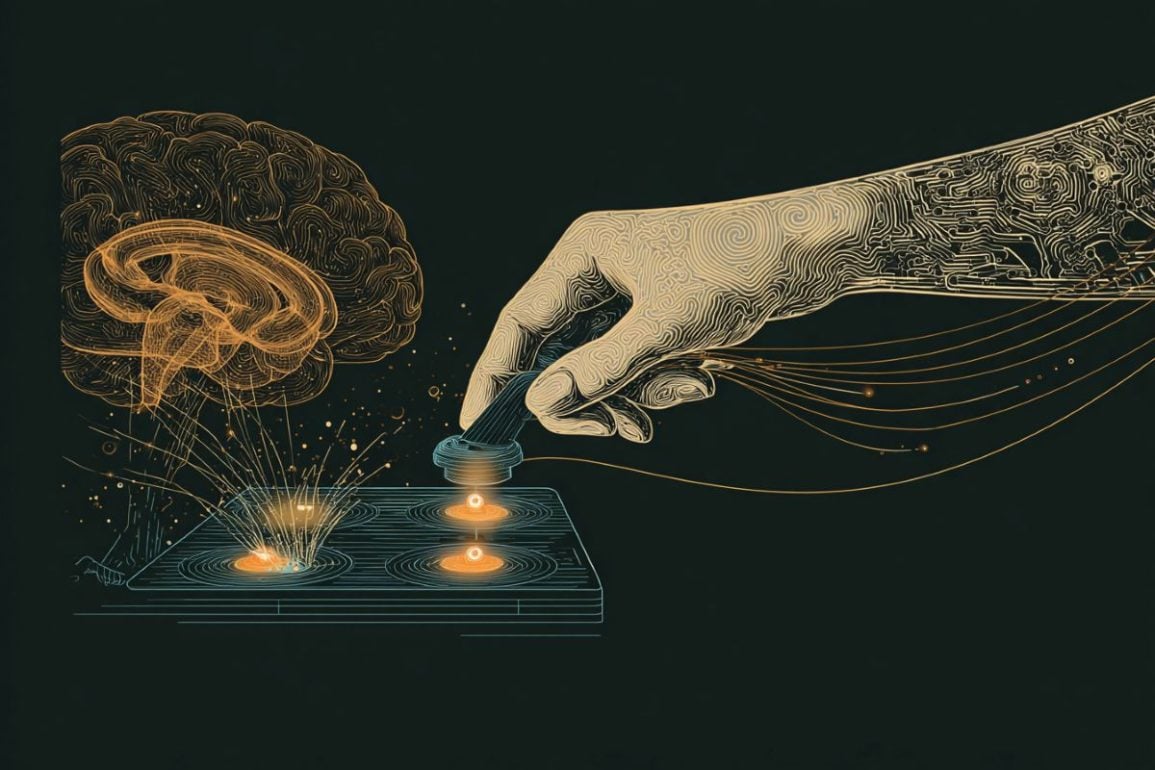
 Unexpected rewards can make people move faster in just milliseconds. The findings show that movement vigor mirrors dopamine-based reward prediction signals and could provide a simple way to track brain health in disorders such as Parkinson’s disease and depression.