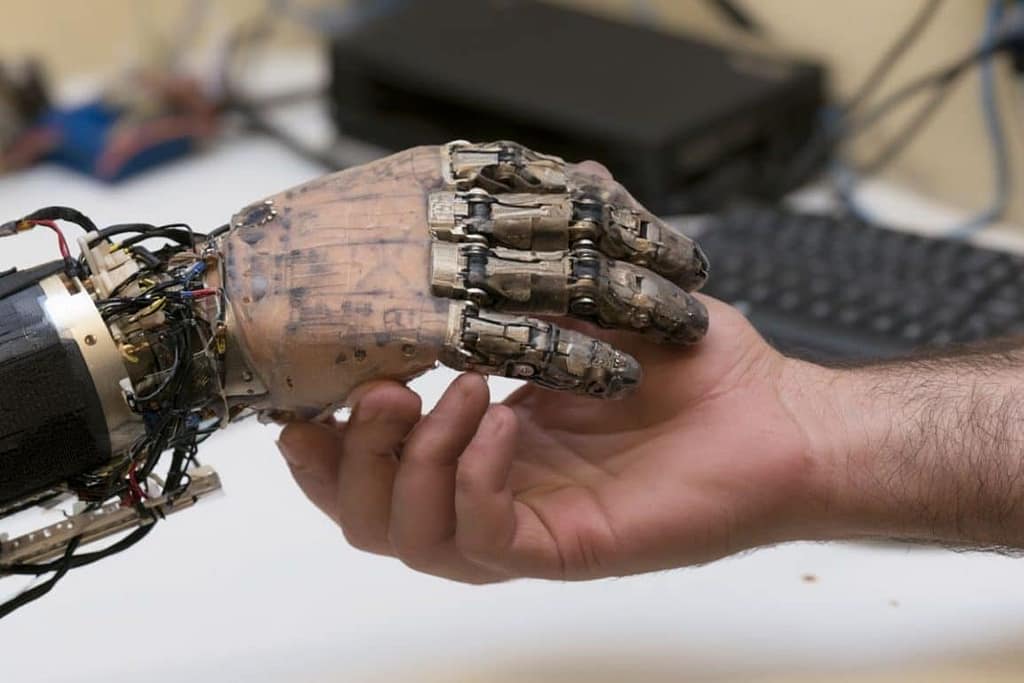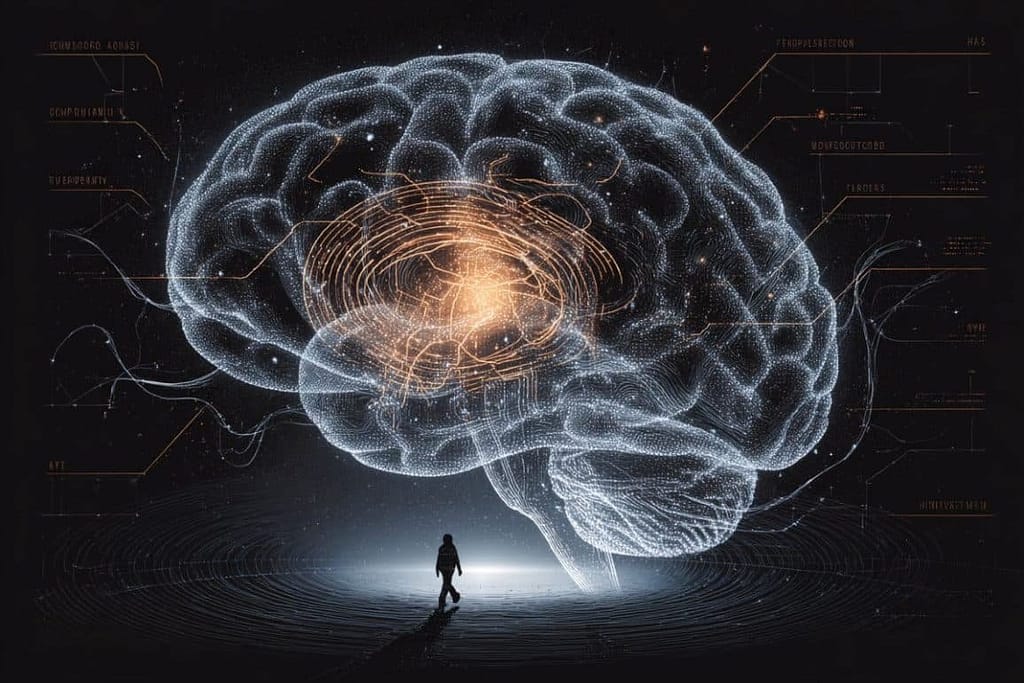
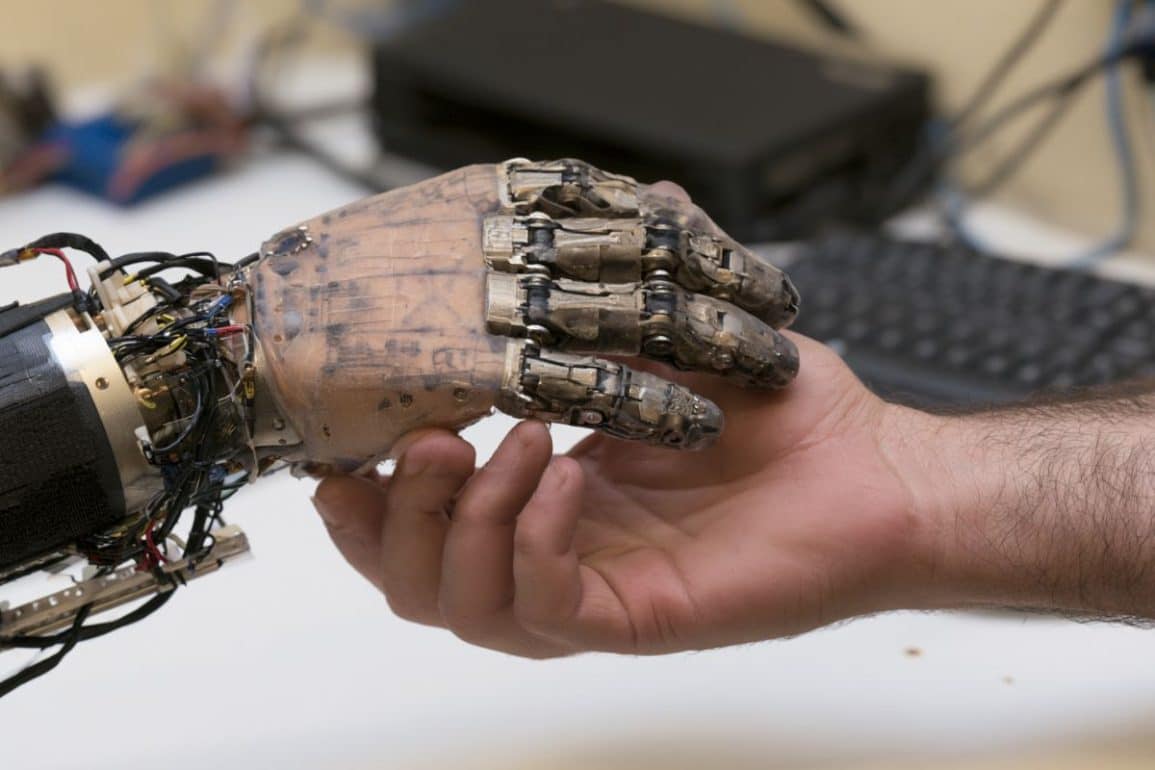
 A new study combining data from two distinct brain-machine interfaces has revealed that the human brain processes artificial movement sensations as coordinated, subconscious hand synergies rather than isolated muscle signals, paving the way for intuitive, bi-directional permanent prosthetic implants.